How New York City top rated Couples Counseling Helps Build Trust
Exploring Love: How Couples Counseling Can Revolutionize Your Relationship
Navigating the intricacies of love often presents difficulties that can strain even the strongest relationships. Couples counseling offers a structured approach to tackle these problems, fostering open communication and mutual understanding. By examining feelings and restoring trust, partners can reveal pathways to deeper connection. Yet, many remain hesitant about seeking help. What might they learn about themselves and their relationship in the process? The answers may astonish them.
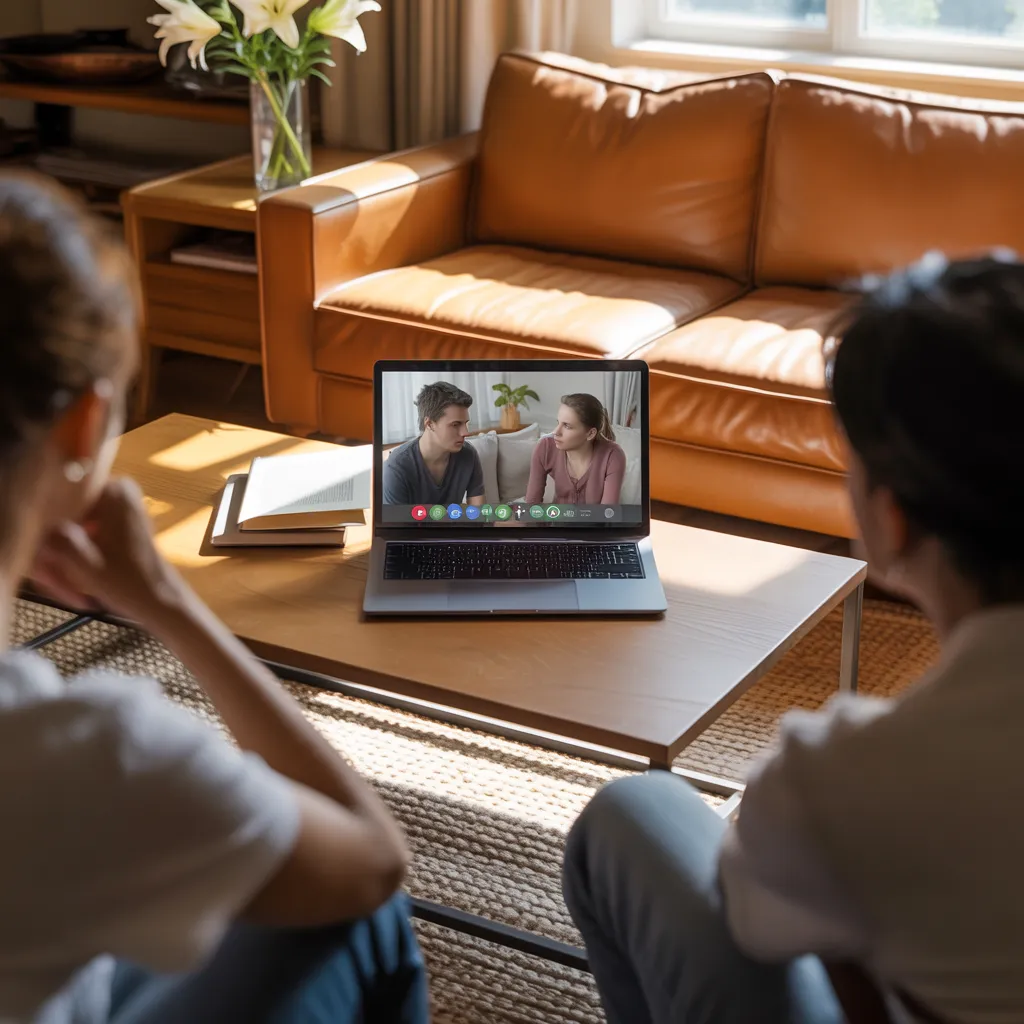
Common Problems in Relationship Therapy
Partners frequently pursue therapy when facing ongoing challenges that impede their bond. Standard difficulties include communication obstacles, where couples wrestle with expressing their feelings or comprehending one another. Trust issues frequently arise from past betrayals or insecurities, leading to emotional distance. Countless couples likewise wrestle with varying ideals or life ambitions, sparking conflict and displeasure. Intimacy problems, whether emotional or physical, can further exacerbate tensions, leaving one or both partners feeling unfulfilled.
Resolving conflicts effectively often requires development, because unresolved tensions can transform into deep-seated resentment. Financial stress is another prevalent issue, impacting daily interactions and long-term plans. Furthermore, outside demands from relatives or employment can stress the relationship. Understanding these widespread concerns is critical, as they commonly work as incentives for finding therapeutic support, supporting greater awareness of each person's desires and encouraging more constructive dynamics.
The Value of Obtaining Professional Help for Your Relationship
Looking for professional help can be a transformative step for couples navigating challenges in their relationship. Working with a qualified counselor creates a safe space access resource for open communication, permitting individuals to express feelings that may be hard to articulate otherwise. This environment encourages understanding and empathy, enabling partners to view issues from each other's perspectives.
Furthermore, couples counseling furnishes partners with vital tools and strategies to manage conflicts more effectively. These competencies can boost emotional intimacy and increase overall relationship satisfaction. Professional guidance also helps identify underlying patterns and triggers that cause recurring conflicts, creating a clearer path toward resolution.
Additionally, obtaining help demonstrates a pledge to the relationship, indicating that both partners cherish their bond and are ready to invest effort in its improvement. Finally, the rewards of professional intervention can lead to healthier dynamics, greater trust, and a revitalized sense of connection.
Comprehending Couples Counseling and How It Works
Couples therapy functions as a structured approach to help partners work through relationship challenges. Understanding its foundational steps is essential for maximizing the advantages of therapy. This section will cover what couples counseling entails and the process involved in achieving a resolution.
Defining Couples Counseling
When couples face ongoing difficulties in their partnership, couples counseling can deliver a structured environment to address these challenges. This therapeutic approach incorporates a trained professional who facilitates discussions between partners, striving to improve communication and understanding. Couples counseling emphasizes identifying patterns of behavior and emotional responses that may contribute to conflicts. It permits partners to express their feelings in a safe space, cultivating empathy and connection. Sessions typically involve exploring individual perspectives and shared experiences, which can result in deeper insights into the relationship dynamics. By undertaking couples counseling, partners have the opportunity to build healthier coping strategies, rebuild trust, and enhance intimacy, ultimately progressing to a more fulfilling relationship.
Steps Involved In The Process
Guiding the journey of couples counseling involves a series of structured steps designed to foster understanding and facilitate healing. In the beginning, couples engage in an assessment phase, where they discuss their relationship dynamics and individual concerns. This is continued with the goal-setting phase, helping partners to articulate their desires for change. During sessions, therapists direct discussions, encouraging open communication and active listening. Couples learn to identify patterns of behavior and explore underlying issues. As progress is made, strategies and coping mechanisms are presented to help partners navigate conflicts effectively. Finally, as couples approach resolution, they reflect on their journey, celebrating growth and establishing tools for future challenges, guaranteeing a lasting impact on their relationship.
Finding the Right Couples Counselor for Your Needs
Selecting the appropriate couples counselor entails careful consideration of their qualifications and experience. It is also essential to investigate the different counseling approaches they use to ensure alignment with the couple's unique needs. Understanding these factors can greatly affect the effectiveness of the counseling process.
Assessing Credentials And Experience
In what way can couples be certain they choose the right counselor for their individual needs? Reviewing qualifications and experience is vital in this decision-making process. Couples should give priority to counselors who hold pertinent degrees in psychology, social work, or counseling, as these credentials indicate a foundational knowledge of relationship dynamics. Moreover, specialized training in couples therapy, such as Emotionally Focused Therapy or the Gottman Method, can improve the counselor's effectiveness. Experience counts, too; a counselor with a proven track record in successfully addressing similar issues can provide tailored guidance. Couples should also consider seeking reviews or testimonials, making sure the counselor's approach matches their values and expectations. In the end, a thorough evaluation of qualifications and experience establishes the foundation for a productive counseling journey.
Exploring Therapeutic Methods
As couples navigate the complexities of relationships, couples often learn that the approach a counselor utilizes can considerably influence their therapeutic journey. Multiple counseling methodologies exist, including Emotionally Focused Therapy (EFT), Cognitive Behavioral Therapy (CBT), and Imago Relationship Therapy. Each offers unique strategies tailored to different needs. For instance, EFT focuses on emotional bonding, while CBT emphasizes changing negative thought patterns. Couples should consider their specific challenges—communication issues, trust deficits, or differing values—when selecting a counselor. A good match can boost engagement and foster positive outcomes. In the end, understanding these approaches allows couples to make informed decisions, making certain that their counseling experience matches with their personal goals and relationship dynamics.
What to Anticipate During Your First Couples Therapy Session?
Beginning a couples counseling session for the first time can evoke a mix of interest and nervousness. Couples may contemplate the structure of the session and what the counselor will inquire about. Usually, the initial meeting focuses on creating a safe environment, permitting both partners to express their concerns and feelings. The counselor may ask each person to share their perspective on the relationship, encouraging open communication.
Anticipate discussing the relationship's past, including good times and challenges. This exploration assists the counselor discover underlying issues. The couple may also establish goals for therapy, outlining what they aim to reach. Throughout the session, the counselor will facilitate dialogue, ensuring that both partners feel valued and understood. On the whole, the first session acts as a foundation for future discussions, helping couples grasp the importance of counseling in managing their relationship challenges.
Smart Approaches to Enhance Your Couples Counseling Sessions
Maximizing the effectiveness of couples counseling sessions requires deliberate preparation and active engagement from both partners. To commence, couples should set clear objectives for their counseling experience, pinpointing specific matters they wish to address. This focus can direct discussions and guarantee that sessions remain fruitful.
Effective listening is crucial; each partner should demonstrate empathy and avoid interrupting each other. This fosters a secure space for honest dialogue. In addition, couples are advised to complete homework assignments or exercises proposed by the counselor, as these can solidify topics discussed during sessions.
Frequently pondering on progress outside of counseling can also boost the effectiveness of the process. Couples should reserve time to examine their feelings and insights between sessions. Finally, maintaining a positive attitude and being open to change can greatly influence the success of their counseling experience, promoting a deeper connection and understanding.
Common Questions
How Long Does Couples Counseling Typically Last?
Marriage counseling usually spans between six to twelve sessions, according to the unique problems and goals. Each session typically runs around approximately fifty minutes, giving couples to explore their concerns and develop healthier communication strategies.
Does Couples Counseling Function for Long-Distance Relationships?
Couples therapy can work well for relationships spanning distances, as it supplies tools for conflict management and better communication. Therapists can help partners navigate distinct obstacles, building meaningful connections in spite of physical separation, consequently improving relationship satisfaction.
What if Your Partner Doesn't Want to Go to Counseling?
If one partner is unwilling to attend counseling, progress can stall. The other partner can still pursue individual therapy, fostering personal growth and gaining insights that may encourage change or open communication in the relationship.
Are There Specific Techniques Used in Couples Counseling?
Couples therapy uses multiple methods, including active listening, conversational practices, situational practice, and conflict resolution strategies. These approaches aim to improve understanding, foster empathy, and strengthen relational dynamics, eventually leading partners towards more positive interactions and resolutions.
How Can We Assess Our Progress During Counseling?
Development in counseling can be evaluated through better communication, diminished conflict frequency, greater emotional intimacy, and the successful implementation of coping strategies. Routine feedback sessions with the counselor also deliver insight into each partner's advancement.